The Power of a Personal Organizer: Master Life, Focus, and Productivity
Juggling work, daily responsibilities, and long-term goals often feels like trying to hold water in cupped hands. A personal organizer brings structure to chaos, helping you manage everything with clarity and purpose.
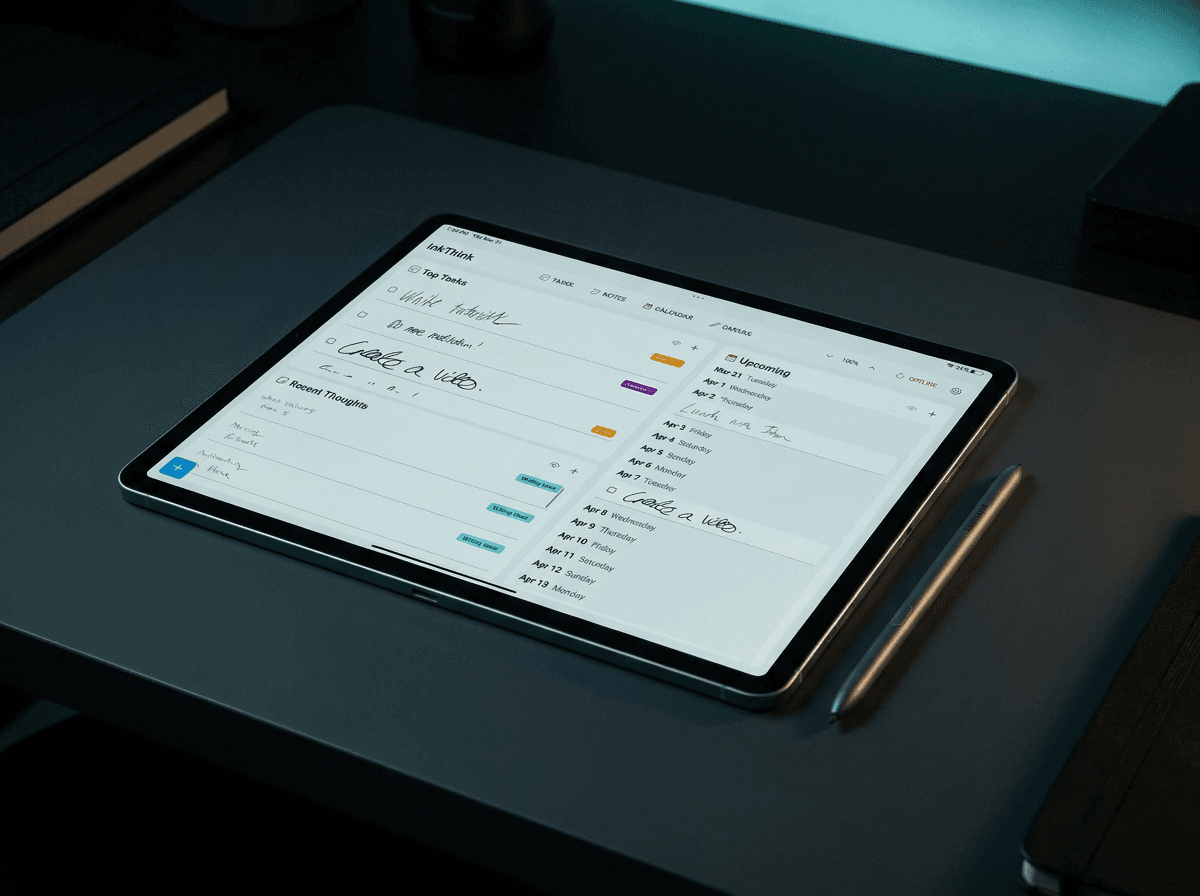
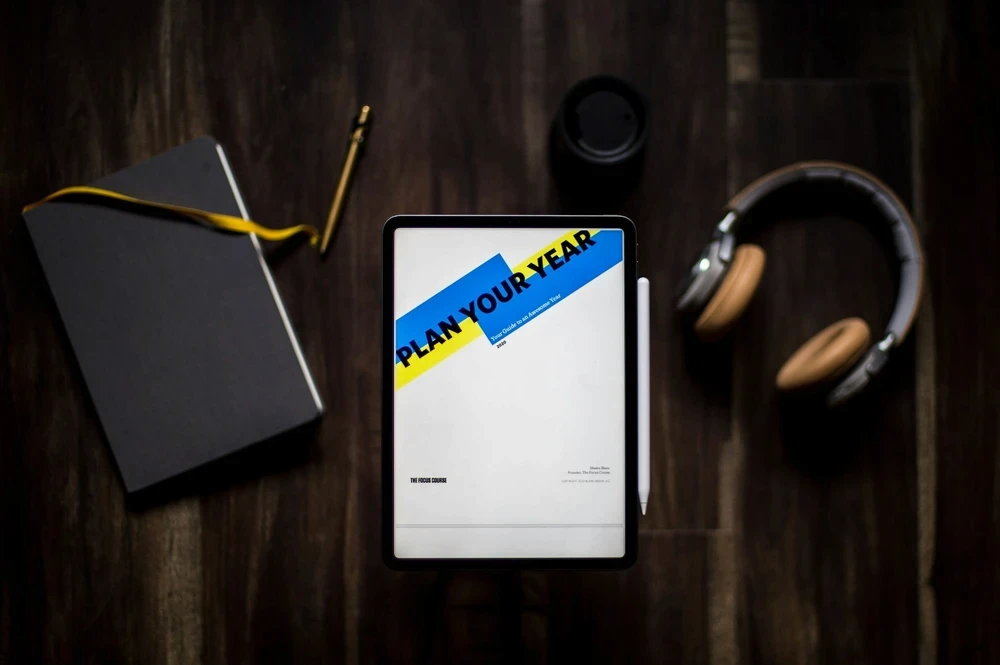
Juggling work, daily responsibilities, and long-term goals often feels like trying to hold water in cupped hands—eventually, something slips through. A personal organizer changes that. This tool brings structure to chaos, helping to manage everything from work-related tasks to personal commitments with clarity and purpose. Whether in the form of a digital app or a paper planner, it acts as a central hub for your thoughts, priorities, and to-dos.
Using a personal planner transforms how you approach your day. It clears mental clutter, prevents missed deadlines, and carves a clear path toward your long-term goals. No more wasted time. No more lost ideas. Just a structured system that keeps your actions aligned with the kind of life you want to build.
Turn Chaos Into Clarity: The Power of Daily Planning
Build a Daily Planner Layout That Keeps You Focused
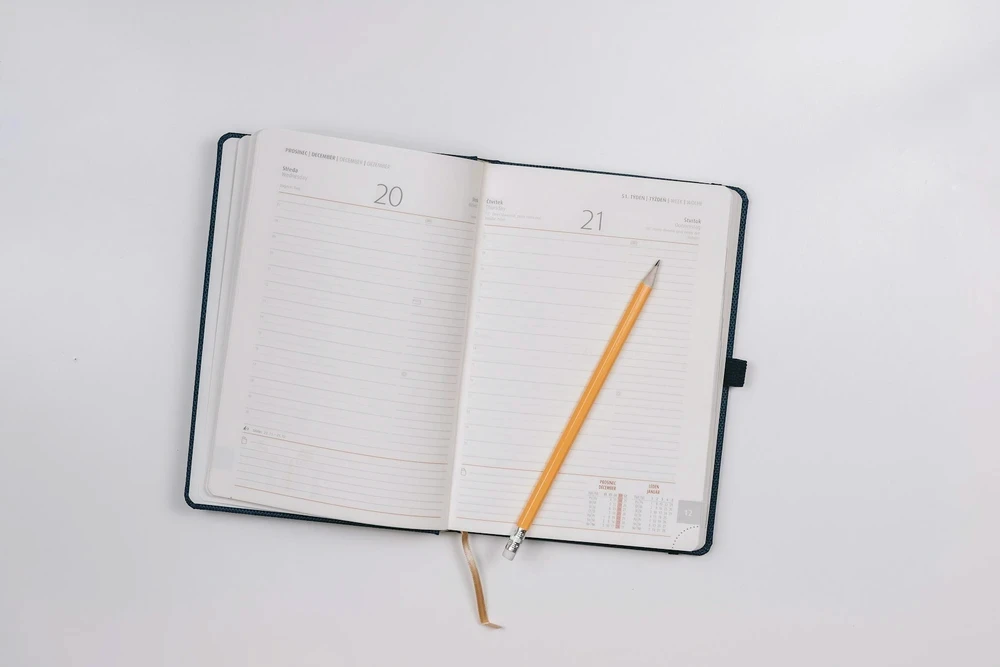
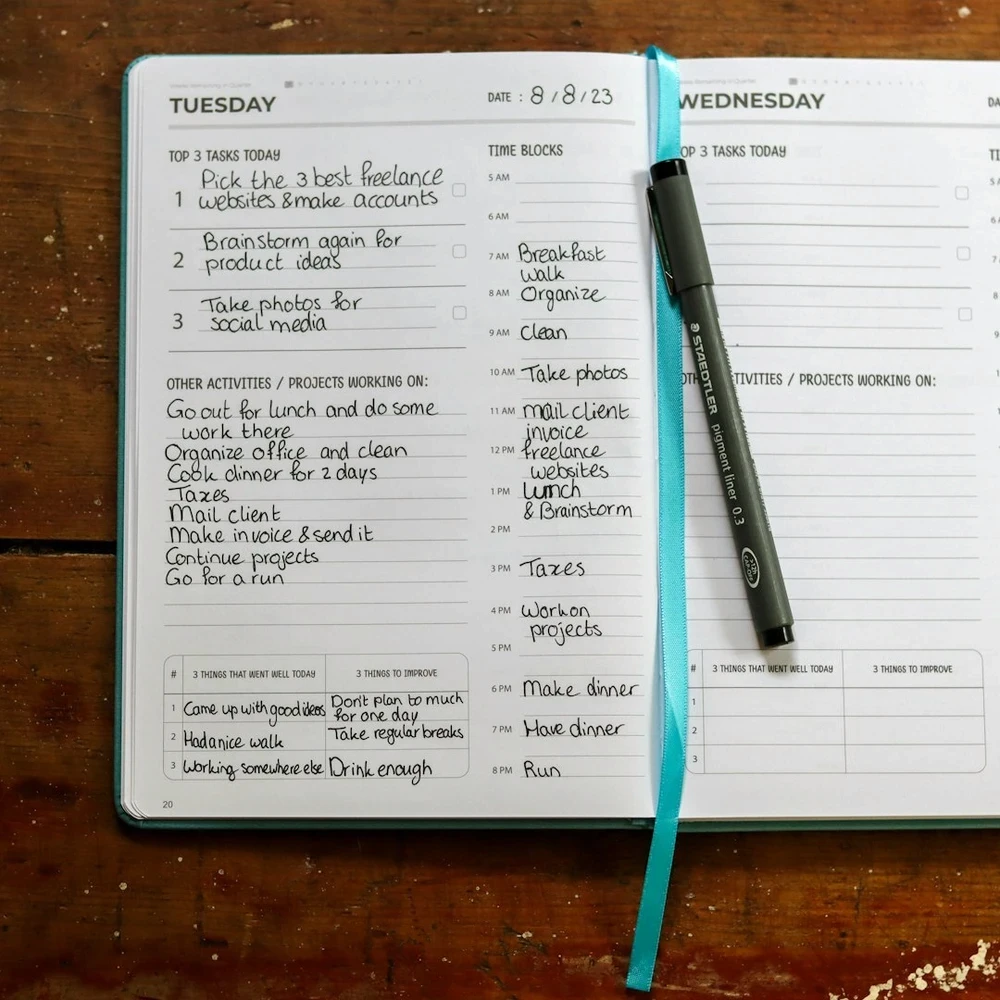
Structure shapes momentum. A well-defined daily planner layout does more than store your to-do list—it clarifies intent and sets the rhythm of your day. When each hour holds a purpose, distractions lose their grip. A personal organizer transforms into a command center, capturing not just tasks but priorities, time estimates, and progress.
Whether you prefer traditional paper layouts or digital grids, segmenting your day by categories—work, personal, health, and breaks—makes everything visible at a glance.
Break Tasks Into Manageable Hours, Not Overwhelming Mountains
Big goals breed avoidance when they sit like immovable blocks on your schedule. Daily planning dissolves that paralysis. Using your personal organizer to split large projects into smaller, achievable tasks shifts your mindset from dread to drive.
Set milestones by the day, not the month. A single goal like "launch website" can unpack into daily actions—writing copy, selecting visuals, assembling pages—tracked and completed with zero ambiguity.
Time-Block If You Want Results That Stick
Time-blocking means assigning specific chunks of the day to particular tasks and following through as if they're non-negotiable appointments:
Morning: Creative work from 9–11 AM
Midday: Admin and email from 11:30 AM–1 PM
Afternoon: Meetings and collaboration after lunch
Late day: Review and planning between 4–5 PM
This approach guards peak focus hours and forces decisions about what matters most.
Turn Goals Into Action
Set SMART Goals That Live on the Page
A personal organizer becomes your strategic map when goals follow the SMART framework: Specific, Measurable, Achievable, Relevant, and Time-bound. Use your planner not just to write goals, but to break them down into trackable elements.
Begin with a dedicated space to define each goal. If the aim is to launch a blog by September, note key benchmarks: purchase the domain by June 10th, design the homepage by June 22nd, publish the first post by July 15th.
Link Daily Moves to Long-Term Projects
A goal grows through repetition, not just inspiration. Bring every big idea down to earth by linking it with your daily and weekly task lists. Highlight 1–2 key actions each day that advance the long-term objective.
See Your Goals with Visual Mapping
Sometimes the brain responds better to shapes than lists. Visual goal mapping taps into that creativity. Turn a blank page into a mind map with the central outcome in a bold circle—everything else branches from that idea. Use arrows, color markers, or stamps to indicate progress.
Master Habit Tracking for a More Productive Life
Tracking habits inside your personal organizer creates visible momentum—every checked box reinforces your commitment through instant feedback. Popular approaches include:
Color-coded charts: Assign different colors to each habit and fill in squares as each habit is completed.
Symbol systems: Use icons like checkmarks, stars, or dots to compress information into a small, digestible space.
Streak rewards: Set up micro-rewards when hitting milestones to tap into the brain's reward center.
Start with habits that shape your day: exercise, reading, and meditation done consistently will shift your mindset and your results.
Cut the Clutter: Prioritize Tasks for Focus and Flow
Use the Eisenhower Matrix
Divide tasks into four quadrants:
Urgent and important: Do these now.
Important but not urgent: Schedule these—planning, learning, building relationships.
Urgent but not important: Delegate or streamline.
Neither urgent nor important: Eliminate. These are your distractions.
Sort Daily Tasks with the ABCDE Method
Brian Tracy's ABCDE method grades your daily task list into a hierarchy:
A – Must do: Consequences for not completing are serious.
B – Should do: Important, but not catastrophic if delayed.
C – Nice to do: No consequences, purely optional.
D – Delegate: Tasks others can handle to free your time.
E – Eliminate: Low-value, habitual fillers.
Appointment Scheduling Without Stress
Embed reminders that match the natural rhythm of your day. Set multiple alerts: one to prep, another to act. If a video call starts at 3:00 PM, a 2:30 PM reminder helps you wrap up current work, and a 2:55 PM nudge ensures you're on time.
Digital vs. Paper: Digital planners excel in speed and automation—they sync across devices and send real-time alerts. Paper-based planners foster a tactile connection to time management, reinforcing engagement and recall. Many find a hybrid method provides the best of both.
Digital, Paper, or Both? Choosing the Right Organizer
Digital organizers (Google Calendar, Todoist, Notion) offer real-time syncing, automated reminders, custom filters, and attachment support. The downside: battery life, digital overload, and the temptation of distraction.
Paper planners (Passion Planner, Moleskine, Panda Planner) offer total customization, no app fatigue, deeper memory retention from handwriting, and a personal daily ritual. The limitation: no alerts or cloud backup.
The hybrid model blends the best of both—a paper planner for scheduling and reflection, paired with a digital system for tracking progress and automated reminders.
Stay in Control: Weekly and Monthly Reviews
A personal organizer does more than collect lists—it offers a strategic lens to examine your life and direction. Weekly and monthly reviews anchor that process.
Weekly review questions:
What progress did I make on my top priorities?
Which tasks drained too much energy for too little return?
Am I still aligned with this week's goals?
Monthly review checklist:
Compare actual accomplishments with planned goals
Assess project health: What advanced? What stalled?
List key learnings and successful workflows worth repeating
Realign targets with any shifting priorities
Balance Work and Life Without Losing Your Sanity
Start with non-negotiables. Pin down your core commitments, both personal and professional, and map them into your organizer first. Time blocking ends the chaos of work bleeding into personal life:
Morning Focus Block (1–2 hours): Deep work on high-value projects before distractions accumulate.
Midday Logistics (30–60 minutes): Handle email, calls, and quick-turnaround items.
Creative Recovery (evenings or weekends): Reading, journaling, or ideation to process and reset.
If your organizer only shows deadlines and meetings, you've built a tool for burnout. Schedule activities that yield beauty and surprise—not just ROI.
Mastering Deadlines: Plan, Track, and Deliver on Time
Visualize time with Gantt charts or milestone trackers. Break large projects into phases, each with its own micro-deadlines. Use horizontal timelines to reflect task durations and dependencies.
Integrate buffer time—add 25–30% extra to estimate-based durations. If a task is expected to take 4 days, plan for 5. With buffers in place, deadlines stop being pressure points and start becoming checkmarks you hit consistently.
Clear Your Mind, Plan Your Life, Feel Productive
One dedicated space. That's all it takes to simplify the chaos of daily responsibilities, appointments, ideas, and ambitions. A personal organizer captures your scattered thoughts, turns them into structured plans, and keeps your mind free for what actually matters—doing, not remembering.
With consistent use, a personal organizer transforms how you manage your life. Tasks no longer slip through the cracks. Deadlines are met. Goals are tracked—and achieved. Each entry builds toward a more intentional day, week, and month.
Start with just one simple layout: a daily page with three sections—schedule, top tasks, and space for notes. Stop guessing what comes next. Watch your focus sharpen as the day takes shape.