Paper Tools in the AI Era: Reclaim Your Focus Now
In the AI era, analog planning with a pen planner enhances focus, memory, and creativity by reducing digital distractions and engaging unique cognitive processes through the physical act of writing.

In a world saturated with AI-driven notifications and endless digital feeds, our ability to concentrate is under constant assault. This article explores the resurgence of analog planning as a powerful antidote. By swapping screens for a pen-based planner, you can improve memory, foster creativity, and cultivate a more intentional approach to productivity—reclaiming control over your time and attention.
The Cognitive Overload of Digital Devices
Modern digital tools promise efficiency but often deliver the opposite: a state of perpetual distraction. The constant barrage of notifications, emails, and alerts forces our brains into a reactive mode, encouraging shallow work and constant context-switching. This digital noise leads to cognitive overload, diminishing our capacity for deep thought and sustained concentration.
The human brain is not designed for the level of multitasking that digital life demands. Each notification hijacks our attention and requires mental energy to process—even if we ignore it. Over time, this depletes our cognitive resources, leading to mental fatigue, increased stress, and a decline in overall performance.
Why Analog Planning Still Matters in the Digital Age
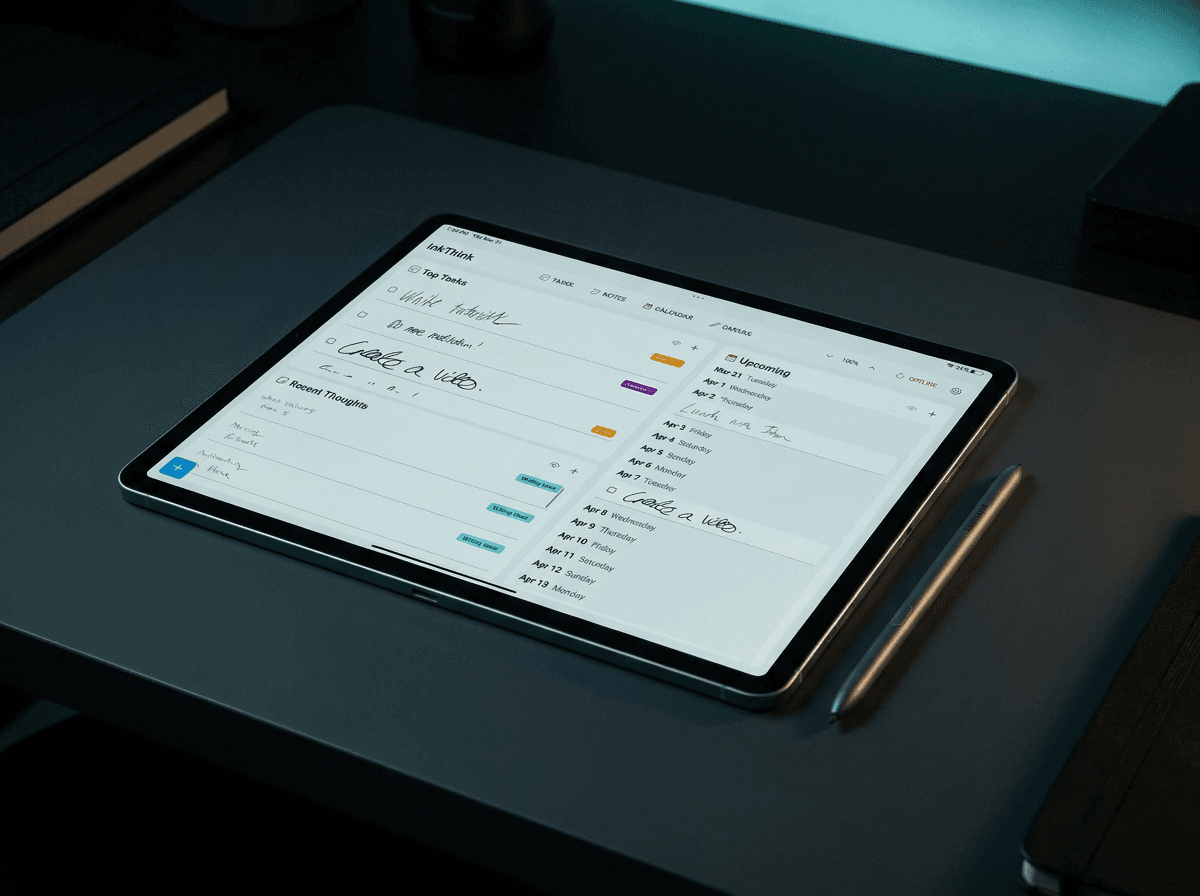
While digital tools offer convenience and collaboration, they lack the profound cognitive engagement of pen and paper. An analog planner is a finite, closed system—it has no hyperlinks, no notifications, and no potential to pull you into an unrelated task. This forces a level of mindfulness that digital apps cannot replicate, turning planning from a passive data-entry task into an active thinking process.
The Power of Haptic Feedback and Memory Retention
The physical act of writing is a powerful mnemonic device. The pressure of the pen, the texture of the paper, and the unique motor movements required to form letters create a much richer sensory experience than typing on a keyboard. This haptic feedback engages more areas of the brain, forging stronger neural pathways.
Studies show that writing by hand significantly improves memory retention and conceptual understanding compared to typing. When you write down a goal or task, you are not just recording it—you are encoding it more deeply into your memory.
Enhancing Creativity and Problem-Solving with Pen and Paper
Digital planning tools are often rigid and linear, forcing your thoughts into predefined fields and lists. A blank page, however, is a canvas for non-linear thinking. It invites mind maps, sketches, diagrams, and free-form notes that can unlock creative insights and novel solutions to complex problems.
This unstructured space is essential for divergent thinking—the ability to generate multiple unique ideas or solutions. When you're not constrained by a user interface, your brain is free to wander and make unexpected connections. The simple act of doodling while pondering a challenge has been shown to improve focus and creative problem-solving.
Building a Sustainable Analog Planning Habit
Transitioning to an analog system requires intention and consistency. A sustainable habit is one that reduces friction, not adds to it. To cultivate this habit:
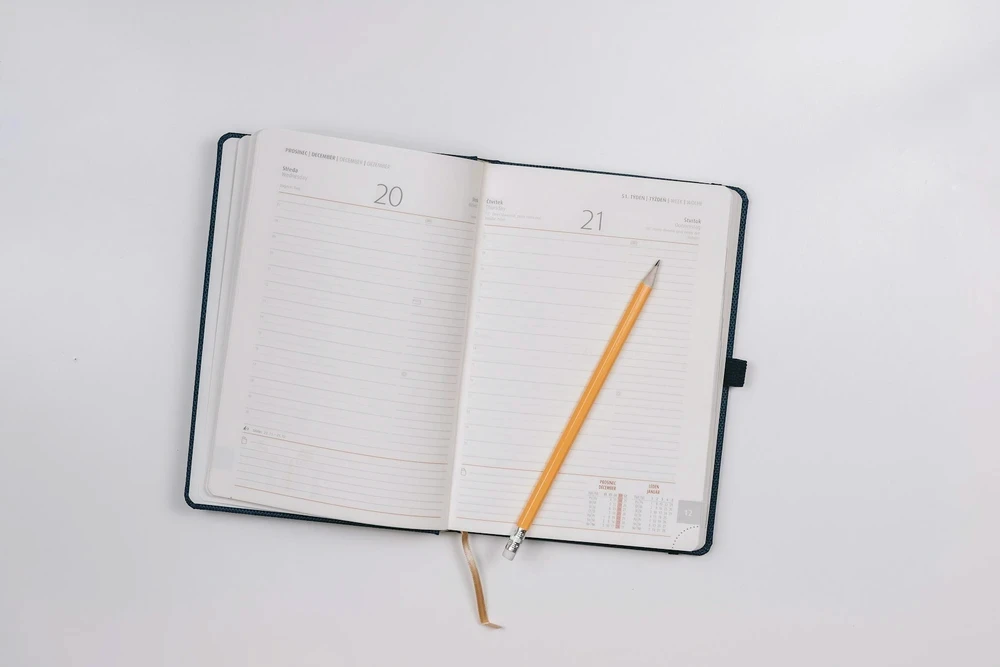
Choose the right tool: Select a planner that fits your needs—a structured daily planner, a flexible bullet journal, or a simple notebook.
Set a specific time: Dedicate 10–15 minutes each morning or evening to review and plan.
Start with the basics: Begin with a simple daily to-do list and identify your top three priorities.
Embrace imperfection: Your planner is a working document, not a piece of art. Crossed-out items and messy notes are signs of a system being used effectively.
Combining Analog and Digital Tools for a Balanced Approach
Adopting analog planning doesn't require a complete digital detox. The most effective productivity systems use a hybrid approach, leveraging the unique strengths of both mediums.
Use digital tools for scheduling appointments, storing reference material, and collaborating with teams. Reserve your analog planner for daily intention-setting, prioritizing tasks, brainstorming complex ideas, and reflecting on progress.
For example, use a digital calendar for appointments but use your pen planner to time-block your day and define the specific focused work that needs to happen between those meetings.
Frequently Asked Questions
Isn't analog planning just nostalgia?
While there is a nostalgic appeal, the benefits are rooted in cognitive science. The physical act of writing enhances memory and learning by engaging motor skills and creating stronger neural pathways.
What's the best type of pen planner to start with?
For beginners, a simple structured weekly planner or a basic notebook for a bullet journal-style system is ideal. Focus on a clean layout that allows you to track daily tasks and weekly goals.
How long does it take to see the benefits?
Many people report a greater sense of calm and control within the first week. More significant cognitive benefits typically become noticeable after 3–4 weeks of consistent daily use.
Can analog planning work for team-based projects?
Yes, particularly for the individual's role within the team. While the team uses a digital tool for collaboration, an individual can use their analog planner to break down assigned tasks and manage their personal workflow for deep work sessions.
What if my handwriting is messy?
The purpose of a personal planner is clarity for you, not aesthetic perfection. The cognitive benefits of writing are tied to the physical act itself, not the neatness of the outcome.